
Deserts
The thwack of a golf club, the hum of the wind buffeting towering sand dunes, the splash of a dive into a perfect pool—the desert region is a sensory feast. Following winter rains, springtime wildflowers paint the desert with colour. Death Valley National Park holds the record for hottest temperature ever recorded (129°F/54°C in 1913), while the deserts of Joshua Tree National Park have giant boulders and alien-like yucca plants. At Anza-Borrego, California’s largest state park, discover amazing springtime wildflowers. The oasis-like Palm Springs region (2 hours east of L.A. and 3 hours northeast of San Diego) has golf resorts, midcentury modern architecture, and every spring, the epic Coachella Valley Music and Arts Festival.
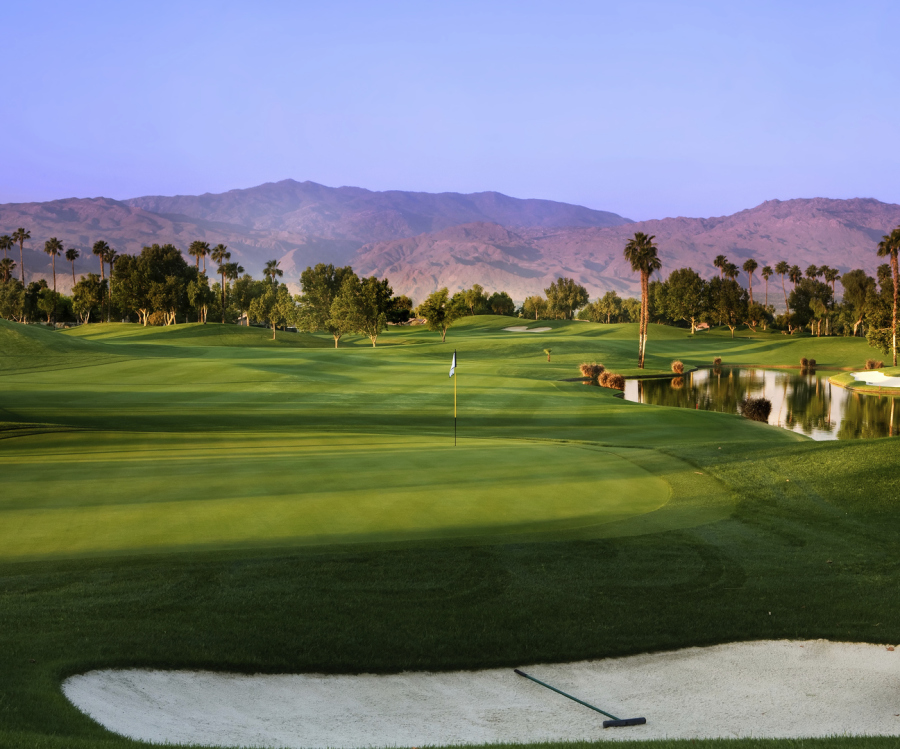
Greater Palm Springs
Fed by underground springs, the desert comes alive here, not only with signature palms, but also with a string of resort communities—Palm Desert, Rancho Mirage, Indian Wells, and others, as well as the namesake town of Palm Springs—sporting a cool, mid-century modern vibe and countless ways to relax. Back in the 1950s, stars like Frank Sinatra and Elvis Presley built sleek estates, played rounds of golf at championship courses, and wined and dined the desert night away. Today, the region still has plenty of retro hipster swagger but also next-gen energy, with hot new restaurants, luxury lodgings, and fabulous shopping. Plus, there’s the beauty of the California desert all around. Step away for a moment and gaze up at a million stars—nothing but you, your thoughts, and the sound of the desert wind.
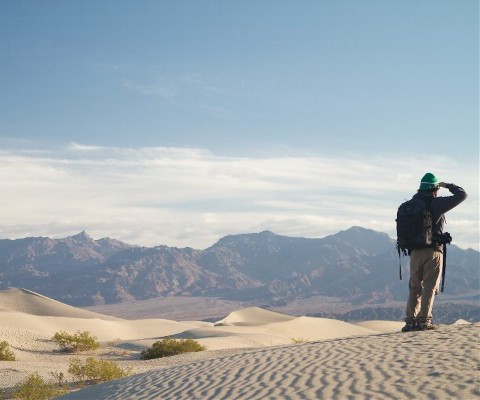
Death Valley National Park
The largest national park outside of Alaska, Death Valley is an almost unfathomable place. The park’s 3.3 million acres /1.34 million hectares encompass mountain-size sand dunes, below-sea-level salt flats, mysterious singing rocks, and colorful sandstone canyons. Extremes are the norm: Death Valley is the hottest and driest place in America, with summer temperatures peaking above 120 F°/49°C, and average rainfall of 2 inches/5 cm per year. Also extreme are the park’s elevations: Badwater Basin, the park’s lowest spot, rests at 282 feet/86 metres below sea level while Telescope Peak soars to 11,049 feet/3,368 metres. So go high, or go very, very low; get hot, or chill out with amazing desert vistas. Death Valley delivers on every end of the scale.
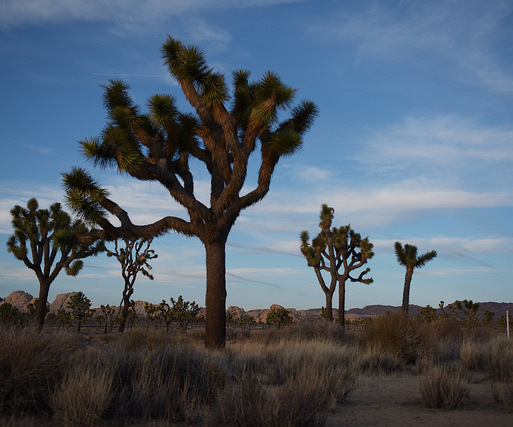
Joshua Tree National Park
Boulders and buttresses, rugged mountains, gold mining ruins, desert plains dotted with the oddball trees—this is one weird place. Joshua Tree, nicknamed “J-Tree” by locals, lies at an ecological crossroads, where the high Mojave Desert meets the low Colorado Desert. The result is amazing desert flora, including those wacky namesake trees (actually a type of yucca). Joshua Tree’s beauty shines around the clock, with vibrant sunsets melting into nights filled with uncountable stars.
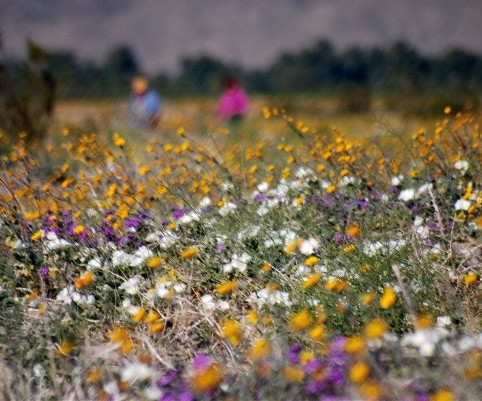
Anza-Borrego Desert State Park
This park’s combo name, pairing the name of famed Spanish explorer Juan Bautista de Anza, who crossed this desert in 1774, and the Spanish word for sheep (“borrego”)—referring to the region’s native bighorn sheep, this desert preserve—California’s largest state park—protects more than 600,000 acres/242,811 hectares of badlands, palm oases, slot canyons, and cactus-studded hills. A geology lesson in making, still being altered by erosion and flash floods, it’s a wild and remote place, with much of it accessed via primitive roads, or on foot. (Consider renting a 4WD with high clearance for best access.) But the payoff is stunning stillness and unforgettable beauty.
Start your trip just northwest of Borrego Springs at the park’s visitor center, built underground for cooling efficiency, to learn more about this fascinating park, and to get tips on where to go. Bighorn sheep are often spotted on nearby trails to Palm Canyon.
 Print
Print 